
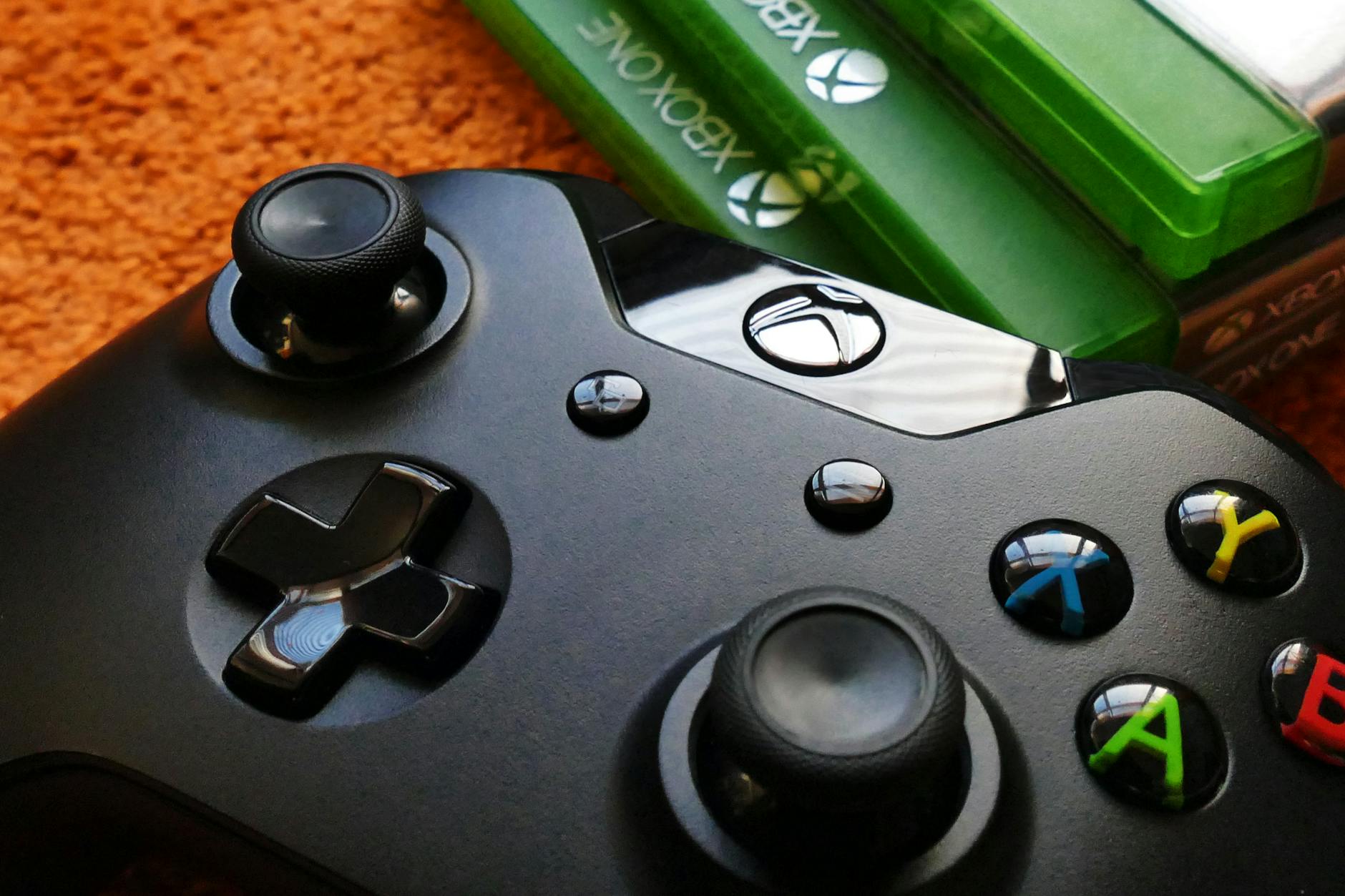
This question comes up often, especially on gaming forums and social media. I’ve received multiple DMs about it on X, and it is often debated within video game communities. If you’re old enough to remember the traditional battles of the so-called “console war,” you might think that Microsoft should have slashed the price of Xbox Series hardware, and accepted a bigger loss per unit. Instead, they raised the price. In fact, they raised the price high enough that when comparing an Xbox Series X unit to a PlayStation 5, you have to ask why someone would even consider an Xbox.
Here’s the short answer: Microsoft no longer wants to sell you an Xbox Series unit.
Here’s the longer answer: It doesn’t make financial sense, at this point, for Microsoft to continue pushing Xbox Series hardware into the market. They are selling units only to people willing to pay the (higher-than-expected) price.
Before we jump into the explanation: The one thing that we should note is that prior to the most recent Xbox & PlayStation console price hikes, high-powered console prices remained elevated throughout this “generation” (PS5 vs. Xbox Series). The consoles never dropped in price during the latter half of their commercial life span because, like it or not, the market was absorbing the cost of the consoles. Neither Microsoft, or Sony, had incentive to lower the price. OK? Now that we got that out of the way, we can get into why Microsoft raised Xbox Series hardware prices even higher during the last year.
Reason #1 (Primary): Microsoft has no desire to absorb the additional costs of manufacturing, shipping, and supporting, the Xbox Series hardware. There’s no point in a strategy of trying to flood the market with Xbox Series units when doing so would incur significant supply chain costs (with no guarantee of payback).
Price goes up. Demand goes down. Manufacturing costs go down. Shipping costs go down. Tariff costs go down. Inventory costs go down. Got it? Good.
The “console war” is over (PlayStation won the battle between the high powered consoles). Microsoft is heavy invested in their future strategy of “meeting gamers where they play.” Shocking the market with a flood of Xbox Series hardware is counter-productive, at least as far as their business is concerned. It’s fine if you disagree, but from the standpoint of Xbox leadership, the Series units represent their old strategy.
If you want to see a video version of reason #1, check out my YT short on the matter.
Reason #2 (Secondary): While this point is debatable, Microsoft leadership never seemed all that interested in running a loss leader strategy on the Xbox Series hardware. The best I can tell, they ran a “just in time” inventory process throughout the entirety of the console lifespan. They really seemed to believe that it was a waste of money for inventory to be sitting on the shelves (especially inventory that sells at a loss). Xbox Series hardware has been oddly difficult to find since its launch (especially Series X), and it extended well past Covid. In fact, in 2020, Xbox leadership made a decision to push Xbox boards to cloud (due to lower than expected yields), instead of paying the added cost to ramp up supply.
In conclusion, I know this is somewhat…odd. What video game console manufacturer doesn’t want to sell units? The reality is that we’ve reached the point where the major video game market suppliers are undergoing significant shifts in priorities and profit generation. This isn’t the world of 2013. Microsoft no longer sees a path forward with a “locked” console. By most accounts, the next Xbox machine will be premium-priced, hybrid unit (PC + Xbox Console). The high-powered console war between Microsoft and Sony may be over, but it was always going to end at some point anyway. The next twenty years will likely not be defined with hardware, but rather content. Just look at Roblox and their meteoric engagement numbers. In a saturated market, who can reach the most players without friction? That’s the question Microsoft is attempting to answer.